







Search Results for: Americano Recipe

Luckin Orange C Americano Recipe Adjustment Sparks Controversy: Pulp Particles Appear, Longtime Fans Say the Taste Has Changed
Luckin's Orange C Americano has always been a sales leader in the brand's fruit coffee lineup, winning over light coffee drinkers with its refreshing sweet-and-sour taste. Recently, however, many loyal customers have noticed obvious pulp particles and sediment in the drink, and the taste has become sour, astringent, and cloudy, sparking speculation about a recipe change. Subsequently, an internal employee revealed that the ingredients of Orange C Americano had been replaced with quick-frozen orange pulp. Although the ingredient list is cleaner and the NFC content is higher, the presence of pulp components has altered the taste. Fans are not buying it, arguing that taste is the key to repeat purchases, and calling on the brand to revert to the original recipe. [more…]

Luckin Butter Americano's appearance and taste are similar to a latte, and staff frequently have to explain the differences in the recipe.
Luckin Coffee has launched a butter series in collaboration with Thailand's Butterbear, and among the offerings, the Butter Americano—made with added butter-rich milk—looks and tastes so much like a latte that it has left consumers confused. Some suspect the barista made the drink wrong, others feel it lacks any butter flavor, while staff helplessly explain that this is simply the recipe. This article sorts out the truth behind how this new product is made, user feedback, and the background of butter coffee from chain brands, to help coffee lovers see clearly through this "Americano turned latte" misunderstanding. [more…]
What Exactly Is the Difference Between an Americano, a Latte, and a Cappuccino? A Comprehensive Analysis from Recipe Structure to Taste
Walking into a coffee shop and facing a menu of Americano, Latte, and Cappuccino, many people recognize the words but can't quite explain how they actually differ. All three are based on espresso, but the proportions of water, milk, and milk foam added vary, resulting in distinctly different flavors and mouthfeels. This article will systematically sort out the differences between Americano, Latte, and Cappuccino from three angles: historical origins, recipe evolution, and structural comparison. Combined with Front Street Coffee's actual in-store serving plans, it will provide specific extraction parameters and preparation methods, helping coffee enthusiasts stay well-informed whether ordering or making these drinks themselves. [more…]
What Are the Differences Between Americano, Latte, and Cappuccino? A Clear Explanation from Recipe Structure to Taste and Flavor
Faced with Americano, Latte, and Cappuccino on a coffee menu, many people recognize the words but can't clearly explain the differences between them. This article will systematically sort out the differences among these three common coffee drinks from three dimensions: historical origins, recipe structure, and taste characteristics. Americano is espresso plus water, Latte is espresso plus milk and a thin layer of milk foam, while Cappuccino brings a rich, dense mouthfeel with thick milk foam. The article will also combine actual output from Front Street Coffee stores to provide specific espresso extraction plans and production parameters for each drink, helping you not only understand the menu but also grasp the logic behind every cup of coffee. [more…]
A Detailed Guide to Making Americano: Key Points for Choosing Beans, Iced Americano Recipe, and a Full Analysis of What Causes Bitterness
Americano, with its affordable price, refreshing effect, and clean taste, has become a daily essential beverage for many office workers. However, many people find Americano too bitter, but the key actually lies in the choice of coffee beans and the extraction method. This article will explain in detail how to make a delicious cup of Americano, including suitable coffee bean types, specific extraction parameters, the golden ratio for iced Americano, and an analysis of the pros and cons of Americano for health. At the same time, we will also recommend several Front Street brand espresso coffee beans to help you easily make a cup of Americano with a prominent aroma, low bitterness, and a smooth taste. [more…]
The Origin of Americano | What Is the Standard Café Iced Americano Recipe? Is an Americano Without Crema Still Good?
What is Americano? "Americano" (English: Americano, Italian: Caffe Americano) is traditionally a black coffee made with a drip coffee maker. Because the extraction time is relatively long (about four to five minutes), the coffee taste is also more [more…]
Where Does the Bitterness of Iced Americano Come From? Analyzing Why Celebrities Love It and a Simple Home Recipe
Iced Americano, with its refreshing taste and invigorating effect, has become a daily drink of choice for many celebrities. But can it really help with fat loss? And why do some people find Americano hard to swallow, with an overpowering bitterness? In fact, a delicious cup of Americano depends on the choice of coffee beans and the extraction method. This article will explore the reasons behind the popularity of iced Americano, the sources of its bitterness, and simple home-brewing methods. It will also recommend Front Street Coffee's blended beans to help enthusiasts find the flavor direction that suits them, making a smooth Americano step by step, from bean selection to extraction. [more…]

Types of Americano Coffee Beans | What Is the Standard Iced and Hot Americano Recipe at Coffee Shops? Italian Specialty Coffee Beans Recommended for Making High-Sweetness Americano Black Coffee
For more specialty coffee knowledge, please follow: Front Street Coffee (Frontsteet Coffee) Americano is made by diluting espresso with water, typically using dark-roasted Italian-style coffee beans. The Americano beans crafted by Front Street are a blend of single-origin beans from two different regions, which [more…]
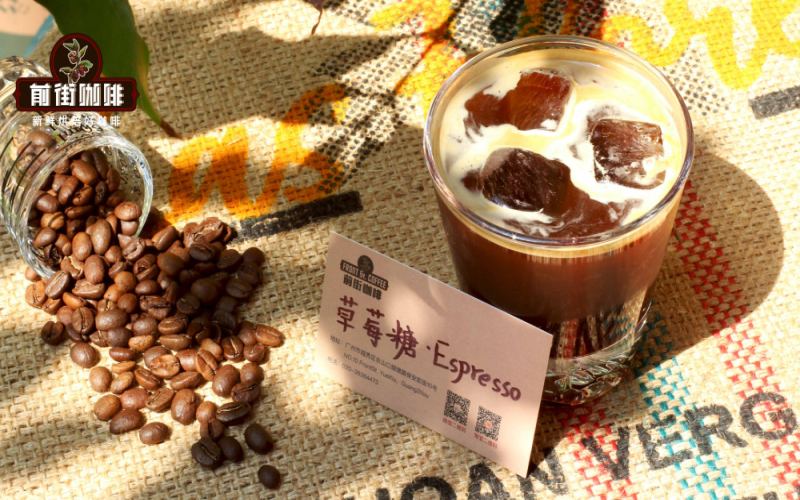
Where Does the Bitterness of Iced Americano Come From? An Analysis of the Taste Differences Between Hot and Iced Americano and Key Brewing Techniques
American coffee may seem to require only two elements, espresso and water, and iced American coffee is simply the addition of ice cubes. Yet the simpler the recipe, the more it tests a barista's extraction skills. Without milk to mask it, American coffee most directly reflects the quality of the coffee beans themselves and the level of extraction. That is why many baristas, when visiting their peers, will order an American coffee—it is quick and allows them to judge the quality of the output. This article will analyze the preparation methods of American coffee, the differences in taste between hot and cold versions, and the two major sources of bitterness, while combining Front Street Coffee's extraction parameters and espresso blend beans to help coffee lovers gain a more comprehensive understanding of this basic espresso drink. [more…]
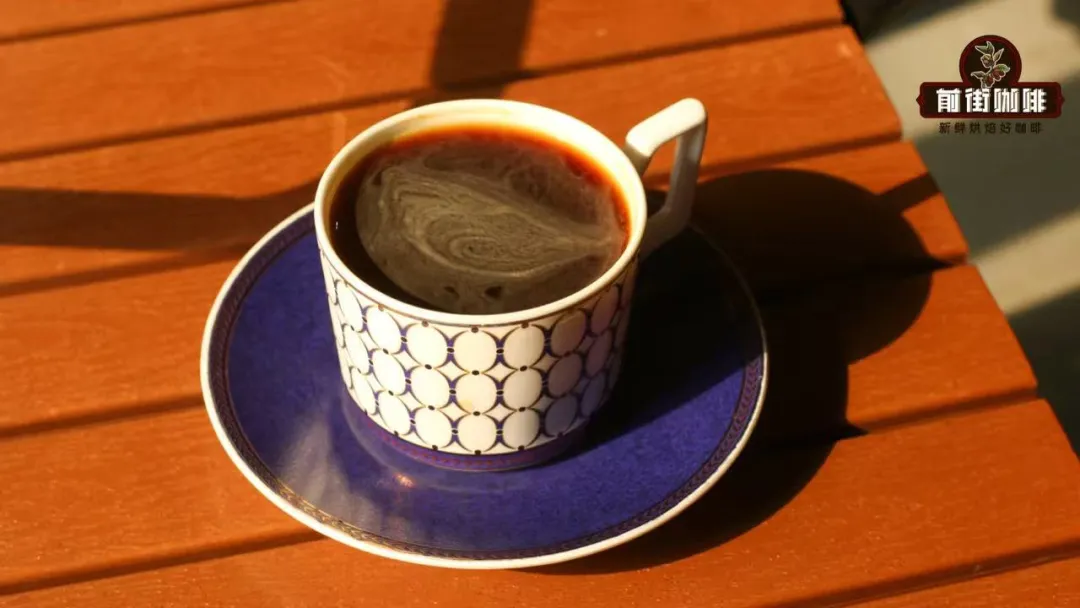
The Ideal Temperature for Americano | How Big Is the Difference in Flavor and Mouthfeel Between Hot and Iced Americano? An Introduction to the Standard Recipe for Hot Americano: Coffee-to-Water Ratio and Water Temperature
Because American soldiers during World War II were not used to the extremely strong small cups of coffee local to Europe, they asked the shops to add hot water to dilute it, imitating the taste and flavor of American drip coffee. And because this cup of coffee was widely popular among American soldiers, it was named Americano "America [more…]
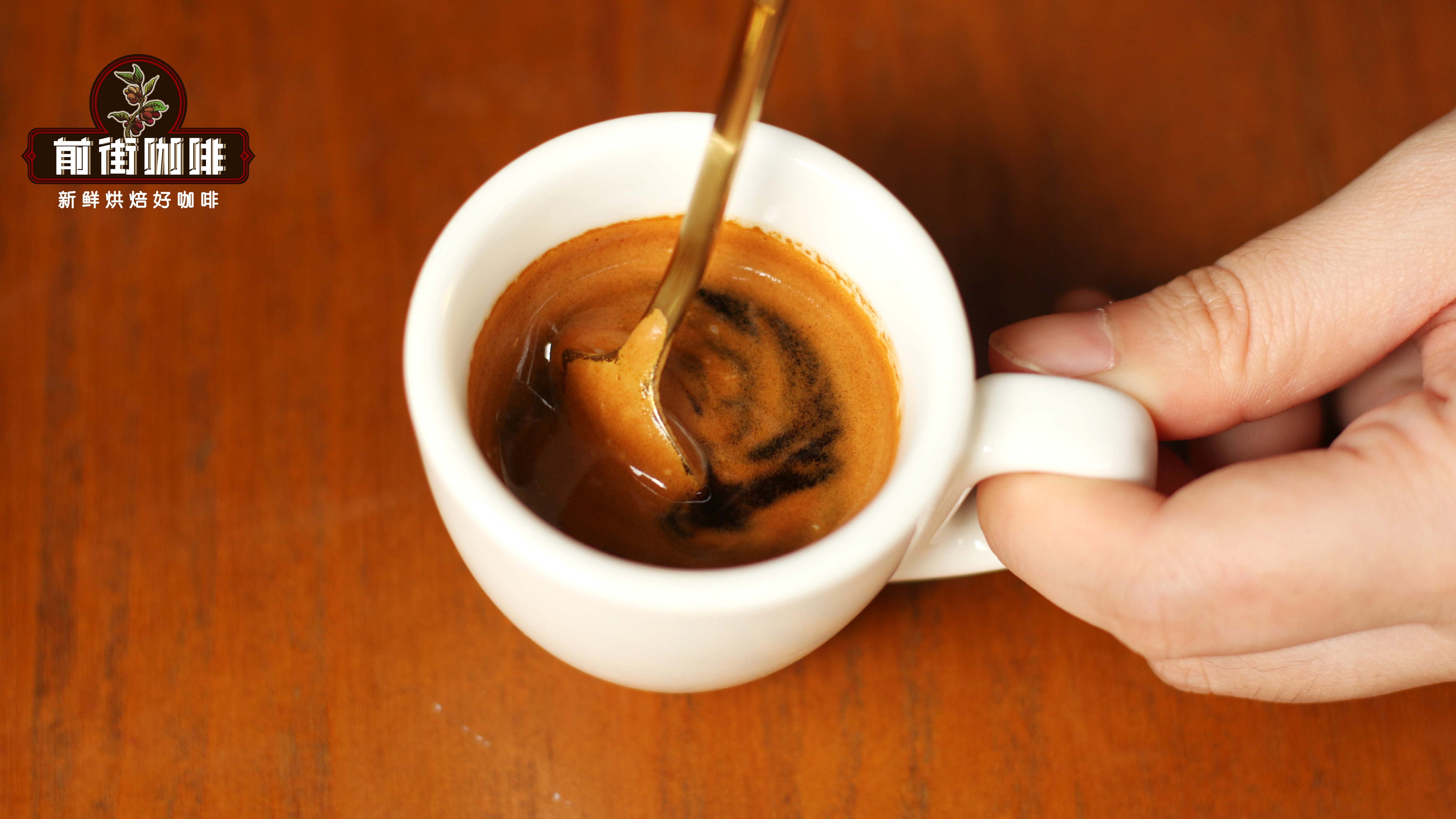
The Relationship Between Grind Size and Coffee Crema, Plus a Practical Guide to Choosing High-Crema Coffee Beans
When tasting espresso, the layer of brown foam floating on the surface—the coffee crema—is often the most intuitive standard for judging the quality of the extraction. But exactly what conditions determine how much crema is produced? Does a finer or coarser grind make it easier to produce crema? And how do the crema characteristics differ among different coffee beans? Starting from Front Street Coffee's extraction practices, this article systematically sorts out the basics of espresso and Americano, analyzes the key variables that affect crema formation, and introduces one by one the recipe characteristics and flavor orientations of several Front Street espresso blends and SOEs, helping coffee lovers find the cup that suits them, whether for home brewing or everyday tasting. [more…]
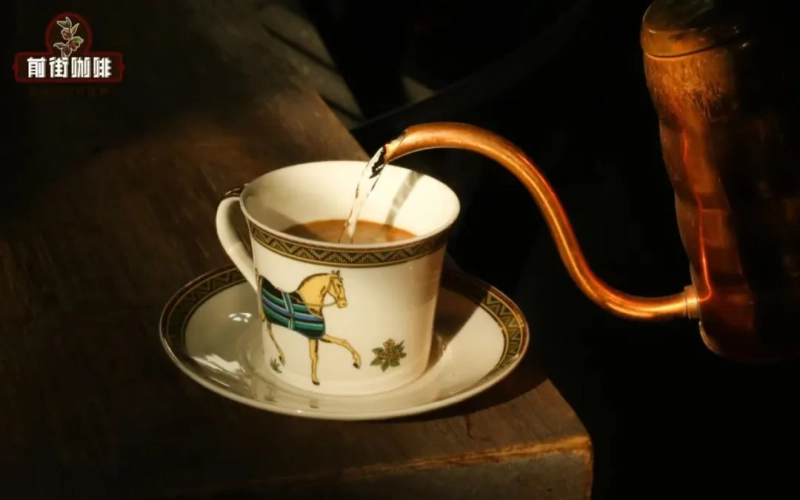
What Is the Ideal Water Temperature for a Hot Americano? A Comparative Experiment from 55°C to 90°C and the Perfect Ratio Recipe
The difference between a hot americano and an iced americano ultimately comes down to whether the espresso is combined with hot water or iced water. This seemingly simple combination actually involves a lot of nuance—water temperature, the coffee-to-water ratio, and the timing of tasting all influence the final flavor of an americano. This time, Front Street Coffee brewed hot americanos with four different water temperatures—55°C, 65°C, 75°C, and 90°C—and compared them at three points in time: just after brewing, 5 minutes later, and 20 minutes later. Using measured data, we’ll tell you which temperature is best for serving a hot americano for dine-in, and reveal the complete pattern of how coffee flavor changes over time at different water temperatures. [more…]
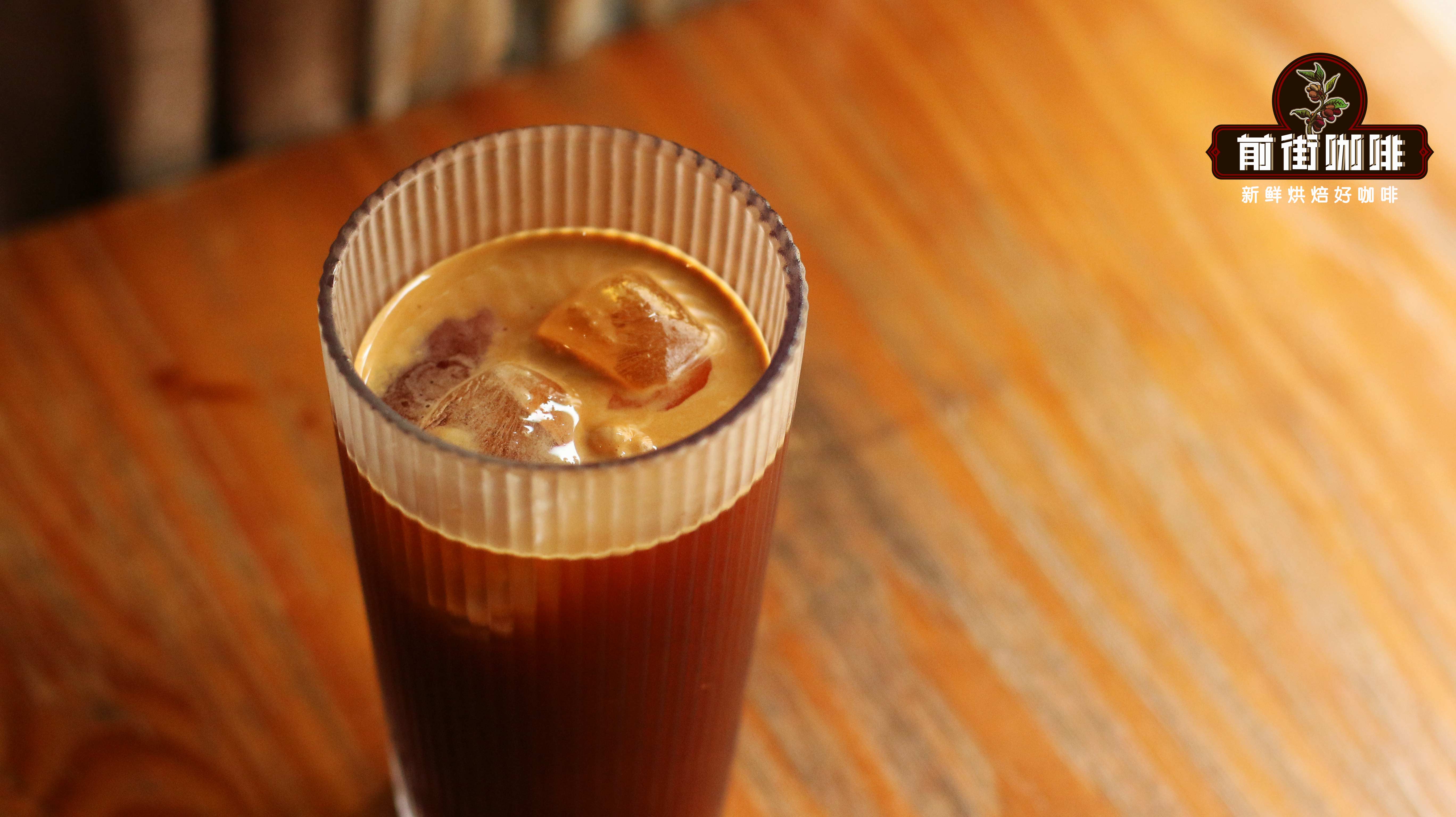
Must Iced Americano Be Made with an Espresso Machine? Classic Recipe, Pour-Over and Drip Bag Alternatives, and Ideal Drinking Temperature
Can a refreshing glass of iced Americano really not be made without an espresso machine? This article first gives the standard answer and the classic method: use Front Street Coffee's classic blend to extract a double shot of espresso, then pour it into an ice-water mixture, and it's done in three steps. For those who don't have a coffee machine at home, the article analyzes the difference between iced coffee made by pour-over or drip bags and a true Americano, and recommends Front Street Coffee single-origin beans suited to making iced coffee according to three styles: fruity, balanced, and full-bodied. In addition, it also covers the benefits of Americano such as aiding digestion, reducing water retention, and helping burn fat, along with drinking reminders, and gives the optimal tasting temperature for dark roast, medium roast, and light roast respectively, helping you get the best flavor out of every cup of Americano. [more…]
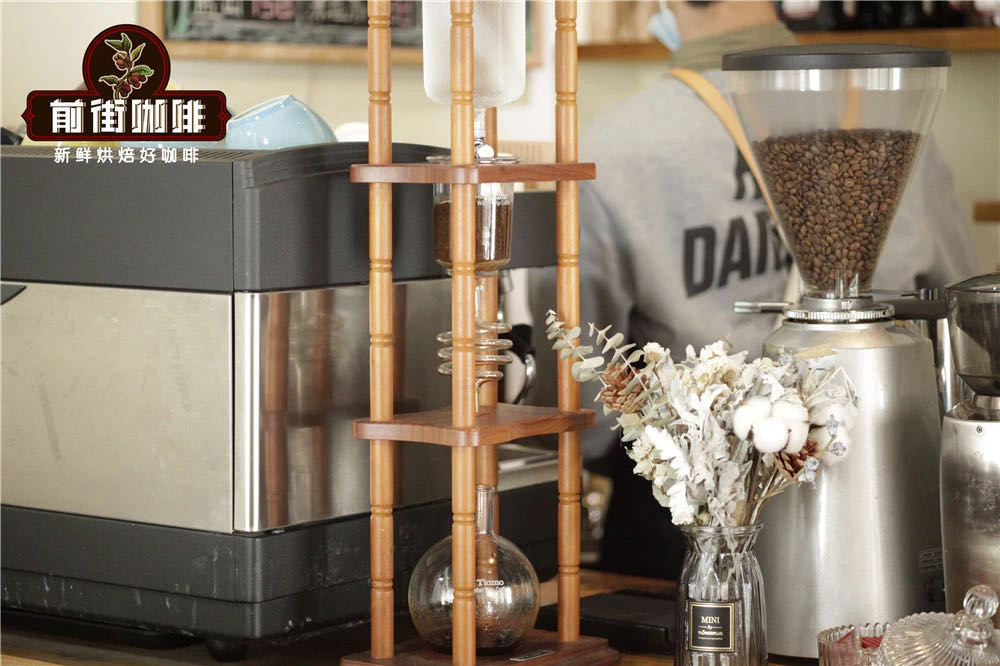
American Coffee Recipe Steps | How Big is a Standard Americano? What Are the Steps to Make an Americano? Hot Americano and Iced Americano Ratios
Each region has its own way of drinking coffee, and because some regional coffee-drinking methods are quite representative, they have given rise to a kind of local culture—just like Turkish coffee or Italian coffee. When it comes to these coffees, a picture may already have formed in your mind. But when it comes to Americano, everyone's mind... [more…]
What's the difference between espresso and black coffee? The origins of Americano, espresso extraction parameters, and a detailed iced Americano recipe
Many friends who are new to coffee often struggle to distinguish the relationships between espresso, Americano, and black coffee. Although they all fall under the category of black coffee, their preparation methods and flavor profiles differ significantly. From the perspective of Front Street, this article sorts out the origins of Americano and its two preparation methods, explains the authentic extraction conditions and reference parameters for espresso, and offers Front Street's recommended espresso blend bean choices. At the same time, the article also compiles the complete operating steps for espresso, as well as specific ratio schemes for iced Americano and hot Americano, helping coffee enthusiasts understand the principles while also being able to make a balanced cup of coffee themselves. [more…]
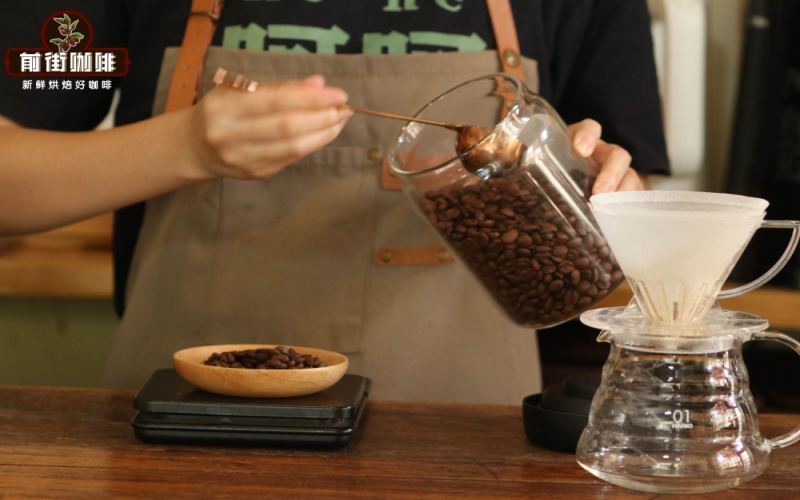
How to Choose Beans for Americano? Starbucks Americano Recipe and Drip Brewer Brewing Tips
Want to enjoy coffee that's close to pour-over quality without being put off by the tedious steps? A drip coffee maker might be an underrated choice. It's simple to operate—as long as you pick the right beans and control the coffee-to-water ratio and grind size, it can still produce a full-flavored cup of Americano. This article starts with how a drip coffee maker works, discusses why it's often considered "not tasty," and then offers bean selection advice—including three beans recommended by Front Street Coffee—along with complete brewing steps and parameters to help you avoid pitfalls and easily recreate a delicious cup of Americano at home. [more…]
Must-read for beginners: Analysis of recipe differences and key preparation points for espresso drinks like flat white, americano, latte, cappuccino, and more
Walking into a café and facing the dazzling array of coffee names on the menu, many friends new to coffee feel confused. From the perspective of Front Street, this article systematically sorts out the differences between espresso, Americano, latte, mocha, flat white, cappuccino, and long black coffee, covering their historical origins, recipe ratios, and serving details. Whether you prefer a rich milk coffee or a refreshing black coffee, you can find clear answers here, while also learning about the suitable scenarios for bean blends such as Front Street Warm Sun Blend. [more…]
From WWII Diluted Coffee to Iced Americano Recipe: The Origin, Preparation, and the Debate Over Keeping the Crema of Americano
Americano may seem simple, yet it hides quite a few intricacies. It originated during World War II, when American soldiers diluted espresso with warm water, and today it has become a staple on coffee shop menus worldwide. This article starts with the definition and origins of Americano, clarifies the differences between the two mainstream approaches—Americano and Long Black—and discusses the controversy over extracting a weak coffee through prolonged water flow. In the practical section, it focuses on the specific ratios for iced and hot Americanos, including Front Street Coffee's extraction parameters and recommended methods, and finally explores an interesting question: Would Americano taste better if the crema were scraped off? [more…]
The Truth About Coffee Crema: How Espresso's Golden Crema Is Born, and Which Coffee Beans Have the Richest Crema
That layer of golden-brown foam floating on the surface of espresso is exactly the coffee crema that countless coffee enthusiasts are obsessed with. How is it actually generated? What does its thickness relate to? This article starts from 9-bar extraction pressure, emulsification, and the role of carbon dioxide to uncover the mysteries of Crema, and also discusses the wartime origins and standard preparation of Americano, analyzing why the flavor of Americano is determined by the beans and extraction. At the end, Front Street Coffee also brings detailed introductions to five espresso beans, including the classic blend, along with extraction parameters. Espresso lovers may want to read to the end. [more…]
Iced Black Coffee Recipe Guide | Which Single-Origin Coffee Beans Make the Best Iced Coffee? What Are the Differences in Flavor and Mouthfeel Between Cold Brew and Iced Americano?
Many coffee enthusiasts have a particular fondness for Americano, so when they visit Front Street Coffee, they often order an iced Americano, and then discover that the iced Americano at Front Street Coffee [more…]